All Things Alice: Interview with American McGee
As an amateur scholar and die-hard enthusiast of everything to do with Alice in Wonderland, I have launched a podcast that takes on Alice’s everlasting influence on pop culture. As an author who draws on Lewis Carroll’s iconic masterpiece for my Looking Glass Wars universe, I’m well acquainted with the process of dipping into Wonderland for inspiration.
The journey has brought me into contact with a fantastic community of artists and creators from all walks of life—and this podcast will be the platform where we come together to answer the fascinating question: “What is it about Alice?”
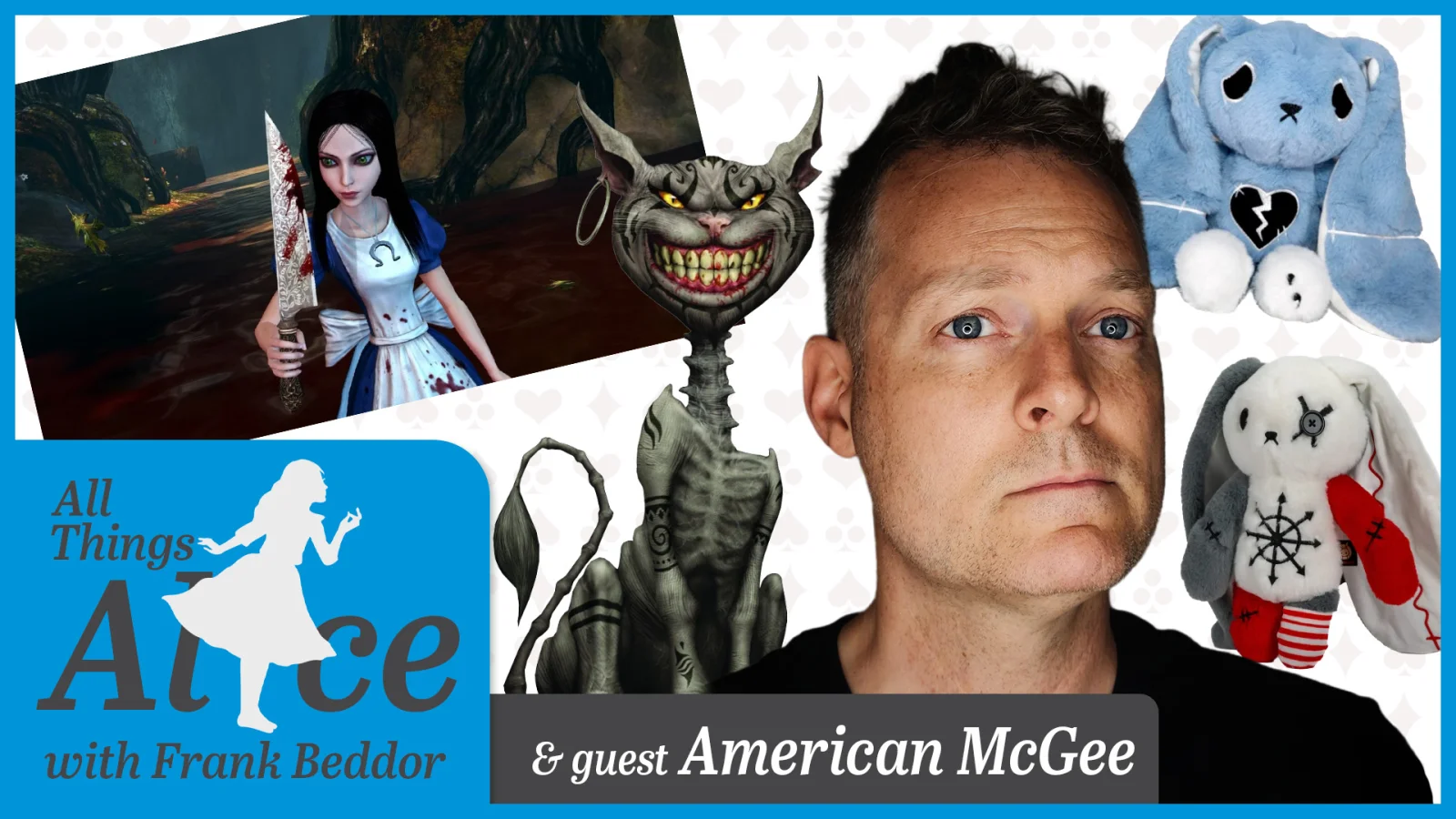
For this episode, it was my great pleasure to have American McGee, the mind behind American McGee’s Alice and plushie Dreadfuls, join me as my guest! Read on to explore our conversation, and check out the whole series on your favorite podcasting platform to listen to the full interview.
Frank Beddor
I'm super excited. I've wanted to have this guest on for many, many years. American McGee of American McGee's Alice, welcome, and how are you doing?
American McGee
Thank you so much, Frank. It's fun to be here. It's funny because we're recording this intro at the end of our conversation, which has been a lot of fun. So I'll just tell your audience that you're in for a treat.
American McGee
Good morning.
Frank Beddor
I should be saying good morning to you. It's my afternoon. It's almost, as my parents would say, cocktail hour.
American McGee
Yes, that used to be for me every day at 5 o'clock. I thought, “Okay, it's 5 o'clock. I'll have a glass of wine.” Then I found that one glass of wine at 5 o'clock every day does something to your brain.
Frank Beddor
When I say “cocktail hour,” that’s very much a Midwest thing that my parents would do. Where are you from originally?
American McGee
Dallas, Texas.
Frank Beddor
Was that a similar culture to the Midwest?
American McGee
Dallas is very well known to be sort of the intellectual, artistic kind of hub of Texas. I think Austin eventually kind of came up on par with it. But when I was growing up in the '70s and '80s, Dallas was the cosmopolitan center of Texas, and so yeah, you definitely had that same sort of drinking culture. I remember as a kid, my mom would go through drive-through margarita shacks. So, she would have a margarita in her lap, and she would hand me a margarita to pass on to whatever adult friends were at the end of that journey.
Frank Beddor
Wow. All right. Times have sure changed. It's crazy. My son is in Dallas. He's at SMU.
American McGee
It's a beautiful part of the town, the SMU campus, and then the area around that, like Highland Park. It's where all the oil money, all the Texas Instruments money, all of that went and built beautiful parks and lakes and mansions. My view of that as a kid: my mom was a professional house painter, and as I grew up, she and her sister ran a business called Professional Lady Painters, so we lived on the wrong side of the tracks. But we often went into these incredibly expensive homes in that area to paint them, and so I grew up as a kid, like sanding the floorboards in multi-million-dollar houses in that area.
Frank Beddor
That's so interesting. So on the other side of the tracks, seeing how the other side lives. Did that influence you in any way? Where you thought, “Okay, I don't want to be using my hands for the rest of my life like this?”
American McGee
Not really. I mean, growing up, once I got my hands on computers, I decided computers were the thing for me. But I don't know that it was necessarily from a dislike or a fear of manual labor. In fact, for many years of my life, I started working with my mom on house painting very young, but my first job was bagging groceries at 13 years old in a grocery store in my neighborhood, and I never stopped with manual labor until I was 20, at which point I got pulled into the games industry. I don't know. I think it was because we were really poor growing up; it was difficult to have those kinds of aspirations or dreams because they seemed so unattainable. But I think that also drove me into my love of science fiction, literature, and books in general, because that was the escape portal I could afford.
Frank Beddor
Is that the way you first met Alice?
American McGee
It would have been through books. As a kid, I was a prolific reader, and in fact, as I got into high school, they had a rule in junior high and high school: the libraries only allowed you to check out one book at a time, which wasn't enough for me. So I was actually actively stealing books. I would return them, but you know, I would check out one book, and there'd be 10 in my backpack. And I was all into fantasy and sci-fi, you name it.
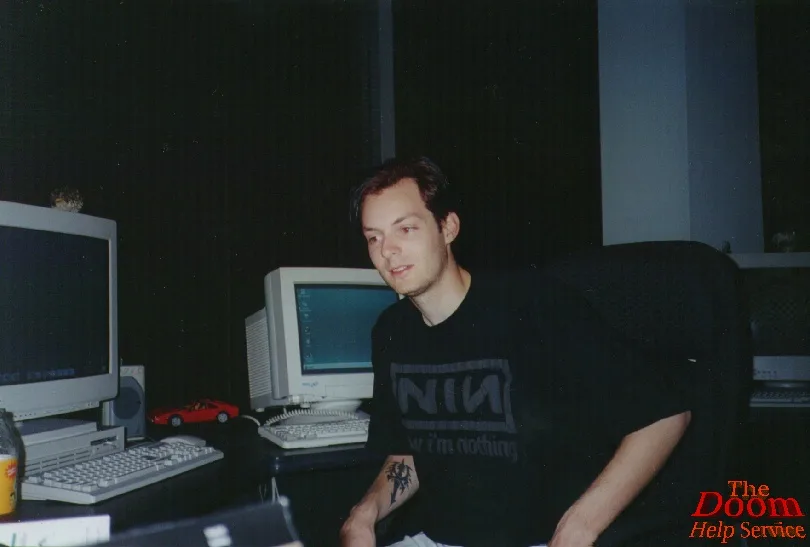
And I don't know if you know this portion of my story, but when I was 16, I came home one day, and the house where I was living with my mom was empty, except for my things. So my mom had left and essentially left me on my own. And at that moment, I was forced to drop out of high school because I had to work in order to survive.
And I just remember that there was a moment where I had to go back to the high school and clear out my locker; that was when the school discovered that my locker and the lockers on either side were full of all the books I'd stolen from the library, and they were like, “You should be in trouble for this. We should be mad at you.” But I was like, “Yeah, but I'm not going to school anymore, so you know, get bent.” But yeah, I think that was the moment where the school realized that I had a problem.
Frank Beddor
That's always a really good problem, being the prolific reader. But no, I did not know your backstory. Did your mom come back?
American McGee
No, no. My mom married a person called Les, and Les came into my life when I was around 13 years old. That's when my mom brought Les home and announced, “Hey, I've married Les.” That was actually the first time I had met Les; it was the day that my mom brought Les home and said, “Here's the person I've just married.” So she ran off and eloped, and then brought him home. And then it was within the next couple months that it started to come out that Les believed that he was a she. So Les started to manifest that physically with the makeup and the painted nails and the dress. So at some point, around the age of 13-14, I was confronted with the question, which was difficult for me at that time. Remember, this is 40 years ago. But the question I asked my mom was, “I don't understand. If Les is a woman, then does that make you a lesbian? How does any of this work?” I mean, this was not a topic of general conversation amongst the population, but much less amongst 13-year-olds at that time.
It turned out that Les was, Les has passed away, so I'm struggling a little bit because I don't want to mess up the pronouns, because you understand how difficult and dangerous that can be in today's world. It's also not just pronouns that I'm struggling with, but it's the fact that Les passed on. Les wanted to have the transition surgery, so my mom sold the house we were living in, and they moved in order to have the funds to do that. The decision was made that I would be left behind because I wasn't really compatible with whatever path they felt they were going on. I speak of it now casually, but at the time, I was obviously quite upset. In fact, I was enraged. It was a major, major chaotic event for me. To come home one day from school, and Mom is gone, and the house is empty. I wasn't particularly happy about that.
So I dropped out of high school. My first job was washing dishes, ironically, in a Chinese restaurant, and I'm now living in China. I washed dishes every day until my hands bled, until I had enough money to buy a car. I bought a car, and that allowed me to transfer, move up, and have different jobs. But that's how I ended up dropping out of high school at the age of 16, and how the school then discovered that my lockers were all full of these books.
Frank Beddor
And did your friends know that you were this big reader, and were they curious about that, or were you a kid that was sort of on his own and reading? Were those books your friends?
American McGee
I was bullied a lot in school, and it wasn't until I got into high school that I was adopted by a couple of the goth kids who said, “All right, you know, you're weird. You should be with us over here on the goth side of things.” So until I joined them, I got picked on a lot.
I was misunderstood. I was ridiculed for reading and things like that. But I just remember the moment of my transformation: when I showed up at school one day, all in black, people stopped picking on me. I distinctly remember one moment at lunch, you know, the big lunchroom, all the kids around, and one of these kids turned around to start picking on me, and then one of that kid's friends said, “Hey, no, leave that guy alone. He'll cast a spell on you,” or something of that nature.
That was the point at which I found my own community, or my community found me, and within that community of kids, they were into a much more sophisticated kind of music. So I stumbled into listening to kind of darker, more interesting gothic music, and also amongst those kids, there was a lot more reading going on. They were actively carrying around books, reading vampire and horror and all these kinds of things. So, I had already been reading for a long time, but to find another group of kids that were reading a lot and being cool about it, that was a revelation for me.
Frank Beddor
My daughter's graduating, and finding her peer group took until sophomore year. So the ability to find peers that you can relate to is a revelation and can really change your whole experience moving forward.
Do you think your experience with your mom leaving and taking care of yourself has affected you as a dad? Like, what have you had to work through to say, “Okay, here's the kind of father I want to be”?
American McGee
First of all, it's important to note my kids are really young. This is at the core of the reason why it's like that. Because in my 20s, I looked at children and I looked at childhood in particular, and I thought that whole thing sucks, right? Because I looked at my childhood and I was like, “That effing sucked. I wouldn't want to put anybody through that. So why would I have kids?” And also, to some degree, because I missed out on having a childhood, once I became an adult with some money, I thought, “Well, now I can be a kid. Now I can live all those things that I was unable to have as a kid growing up with a single mom in a relatively poor situation.” I was born in a barn, by the way. I mean, when I was born, my mom literally went home to visit a barn on a farm. So I didn't come from money.
That meant that through my 20s and my 30s, I just thought I never wanted to have kids because I didn't know what a happy childhood is. Meanwhile, I was doing a lot of work, technical, psychological therapy, and other types of work, and I was also just being a general fuck up. I was drinking and partying and having adventures, and I was trying to work through all this stuff that was bottled up inside. I was writing as well. I was creating. When you look at the Alice games, that's that energy, that angst, that frustration, the tale of the encounter of chaos. All of that flows out of there. If I'd had kids in the midst of all that, that would have been a terrible idea. Absolutely terrible. And I knew that.
It wasn't until I got to my mid-40s, and I'm here in China, and I found a wonderful partner, but also a partner who I'd been through some trauma with and, because we did that, we really messed each other up. But we worked through it and we came out the other side okay. We both are kids from messed up family situations. We both allowed our traumas to override our common sense, our better selves. But now maybe we're in a place where, psychologically, financially, culturally, all these things, it actually makes sense to have kids, and it took that whole long journey. So yeah, I ended up having kids late in life. My wife is 12 years younger than me, but still, even for her, she was in her 30s when we had our first kid; I'm 53 now. She's 41. She just had a birthday. Our youngest, Lilu, is four, and our son will be seven this year in September. So I still have a big long journey in front of me.
But to answer your original question, man, there was so much work that had to be done, so much stuff that had to go through. To this day, both my wife and I are constantly questioning how we're raising them. We're constantly doing self-inspection, introspection, reading, and trying to do the best we can. And again, I don't think those are things I could have been capable of doing in any of my previous forms.
Frank Beddor
I got married quite late in life as well, and I wasn't ready in my 20s or my 30s. I had my own stuff to work through, and then finding a story, finding something to fall in love with, that felt a little bit bigger than me. That being Alice and my Looking Glass Wars. That was an anchor of sorts.
I got the feeling that there was a real need, and it's so clear how your history comes through. My first impression of the Cheshire Cat and Alice, that whole goth thing, I went, “This is so genius how this captures a tone that was so specific.” It spoke to an experience. I'm curious how Alice popped up from reading to the point where she was the device with which you were expressing your childhood, in essence.
American McGee
Yeah, there's a whole story in there. I just want to say one thing. I think you've probably experienced as a parent that we can go through all of this, everything you've been through that's led to where you are today, and the process and the timing by which you wrote and focused on what you did, and then how that allowed you to have the space and the time. But you know what I find really interesting? This is the parent thing that comes into it. Is that you look at your kids, and you realize no matter how badly you want to try to communicate that wisdom to them, it's practically impossible. They have to live it themselves.
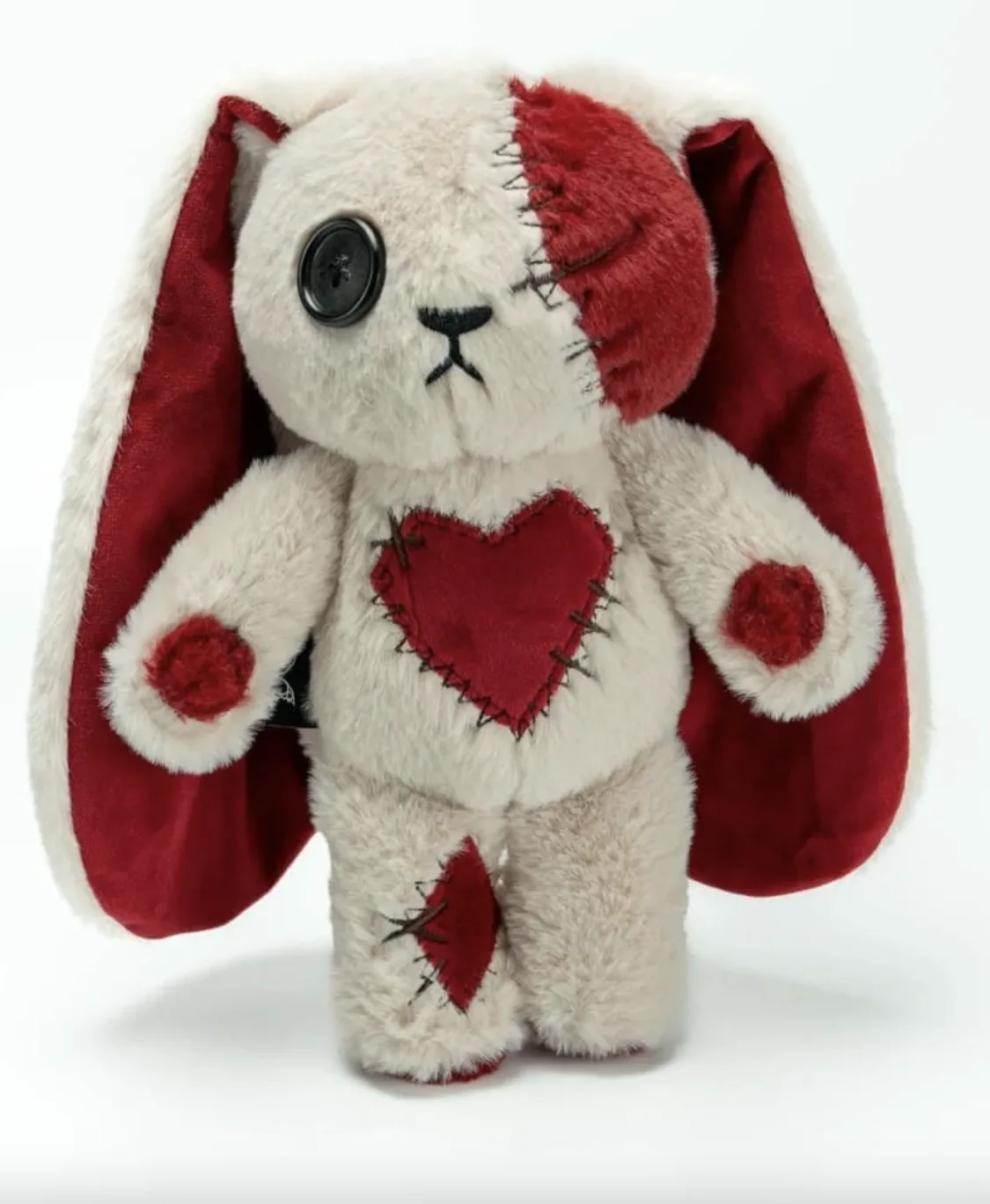
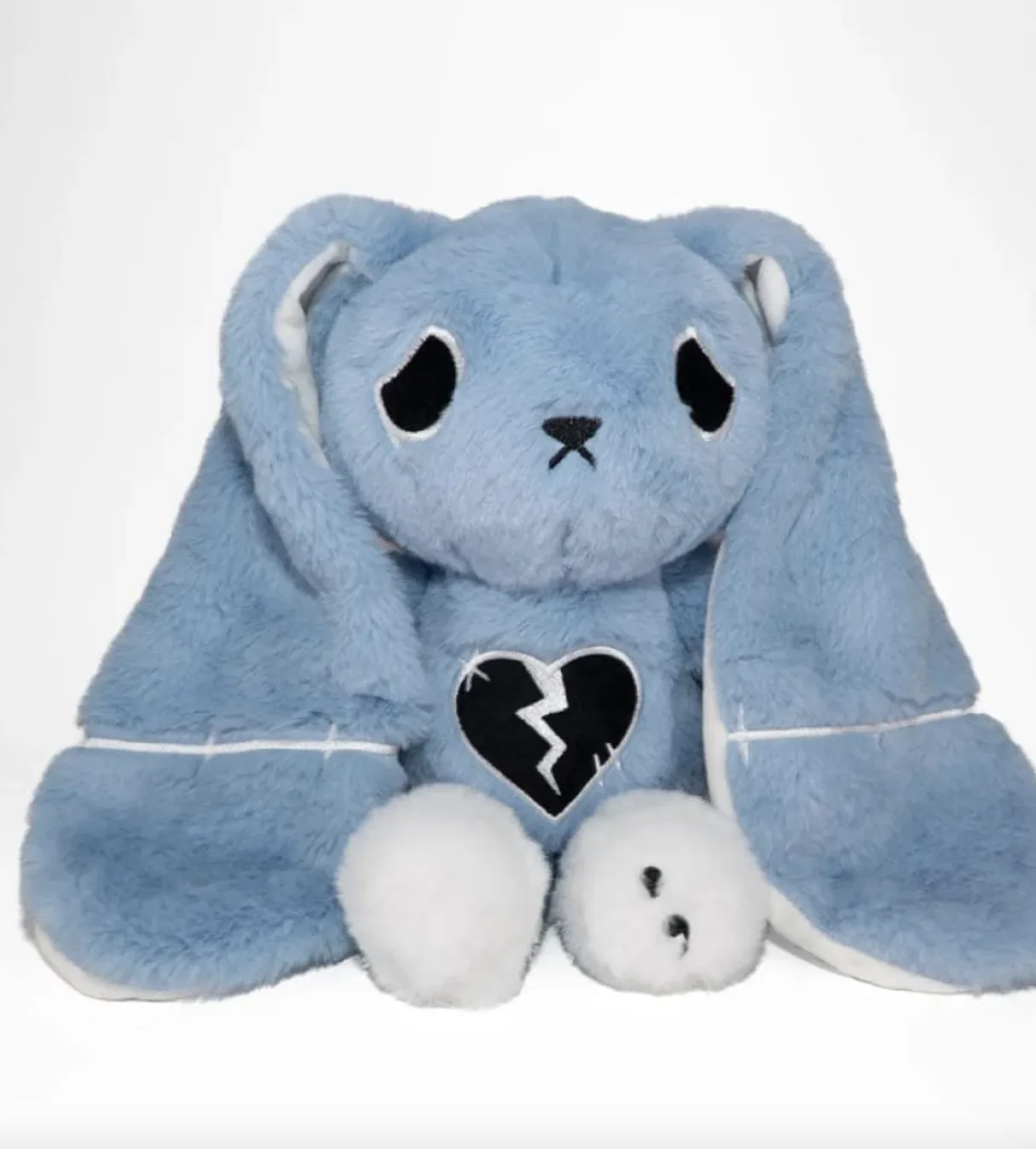
This also comes back to what I’m doing these days. We'll get to the plush toys later, but they're kind of like emotional support animals for people. A lot of the people who are going through these traumas in real time as they're purchasing our products or reading our stories, you also wish that you could touch them on the head and imbue them with all the things that we just covered and the wisdom of all that. I mean, it's impossible. Everyone has to go through that journey in their own way. You can give them some little signposts and stuff.
Frank Beddor
Your kids are young. I beg to differ a little bit. My kids are 18 and 20, and so over that many years of modeling, that's the thing they land on. They have a model. They're not going to experience what you experience. They're going to have all of their own struggles, but there is a strong model there. Your model was your parents, right? Your mom left, and so you had to create a whole new model, and now you know because you said that you talk about it a lot. You wonder how you're parenting-that's not focused on you. That is already a revelation from where you came from, and so if we could all do a little better, or a lot better in some cases, than our parents, and we were able to focus on our kids and our family, the world would be a much better place.
American McGee
This is a whole other topic, but it's one that often comes to mind for me, which is that after so many generations of humans having created more humans and going through this cycle, you would hope that the better model would eventually win and work itself out. But instead, what we continually see is that people pass their traumas on to their kids. But that's a whole nother conversation.
Frank Beddor
That conversation, though, has a lot to do with where you are with your Plushie Dreadful business because I do think that's real. I think that's a big, big deal.
I didn't realize with the plushie business how you've caught the zeitgeist twice. You caught the zeitgeist with Alice and the whole goth vibe and alternative culture, and now, you couldn't have picked a better time to talk about trauma. It's so in culture now.
American McGee
You were asking before, “How did the concept of doing what I did with Alice coalesce?” I cannot claim individual credit for that because there were so many factors that led into it. One of them being the childhood experience that I had. One of them being the goth clique that picked me up in high school. If it hadn't been for them saying, “Here's this song called ‘Bela Lugosi’s Dead’ by Bauhaus. Go listen to this a million times until it seeps into your very core and being.”
If it hadn't been for John Carmack, who lifted me out of being a car mechanic and plopped me down into working on Doom and Quake, or being then pulled out of Texas and moved to San Francisco right at the height of the dot-com bubble. Everybody was out at the clubs and doing mind-altering spiritual house music exploration. There were so many pieces. Plus, meeting with other creatives, musicians, writers. I had multiple instances where the universe, through those people, said to me, “Alice in Wonderland, Alice in Wonderland, Alice in Wonderland.”
It came up in conversation as a game designer. Twenty or thirty years ago, if you said you’re a game designer, first they'd be like, “How can you eat doing that?” Second, they would be like, “Hey, I've got this crazy idea for a video game.” So, Alice in Wonderland was put in front of me as a crazy idea for a video game a hundred times. The problem I had with it was, I would think Alice in Wonderland, and I would think butterflies and sunflowers and cutesy, and I just couldn't understand how my internal story wanted to map onto that, right?
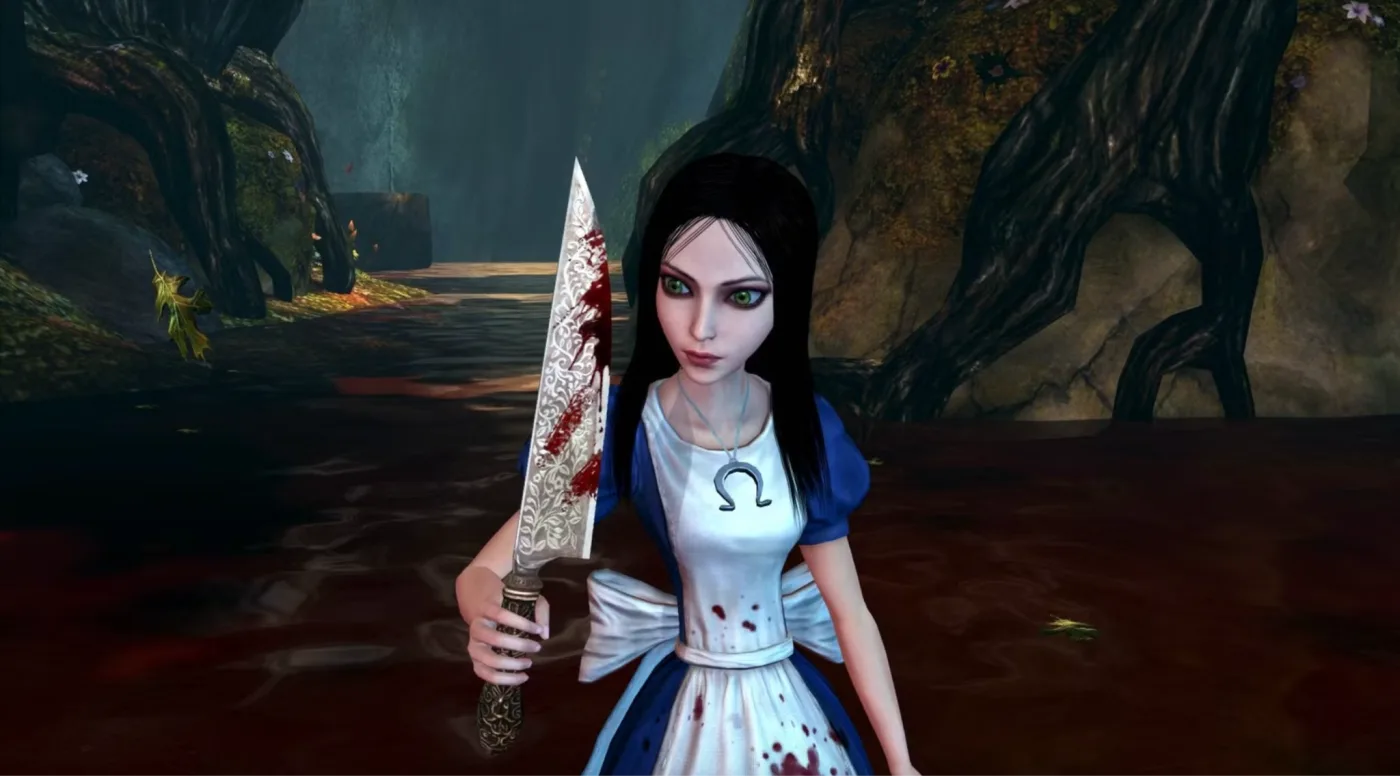
It wasn't until I got to California and I was trying to work through some of these traumas, and somebody said to me, “Hey, you have an opportunity to make a game, an original game of your own. What do you want to do?” That really put me on the spot because it was like, “Oh crap!” I have all these thoughts about where games should go and what we could do with this emerging technology, and I have all these ideas in my head about trauma and storytelling and the kinds of stories I like to consume, and this mashing up of the life I was living in San Francisco at that time, the scenes that I got into. I was driving the car one day down the Pacific Coast Highway between San Francisco and Monterey, and it went “PONG!” It just crystallized. The whole thing. The tone, the themes, the vibe, the story. I don't know how else to put it.
Frank Beddor
Most people think of Alice in Wonderland in one of two ways. They think of it as nonsensical or whimsical, or they think of it as dark and surreal. You just mentioned cute butterflies and things like that. So I would have guessed you saw it as a nightmare. But it turns out that you saw it closer to how I saw it.
American McGee
When we talk about fairy tales from that era, I was reading Grimm’s Fairy Tales. Those are dark. Those will mess you up, right? They were written specifically to scare the crap out of kids so you didn't talk to strangers. But when you read Alice in Wonderland, a little bit of it was like, “Well, nothing happened.” Then also it was just surreal nonsense. I remember that the cover of the book that I had had a flowery border around a little, blonde, cute girl.
Frank Beddor
I remember that cover.
American McGee
Exactly. So to think that I'm gonna go from Doom and Quake, rocket launchers and the demons of hell, to mapping a video game onto Alice in Wonderland…every time somebody said, “Oh, you ought to make a game out of Alice in Wonderland.” I thought, “I don't know where the rocket launcher goes into this.”
Frank Beddor
That's a pretty amazing story, and also kind of a movie moment in itself.
American McGee
There's a song that was playing at that moment. It’s by the Crystal Method, and it's called “Trip Like I Do.” At the beginning of the song, there is a sampling of a bit of dialogue from The Dark Crystal. So at the opening of the song, they talk about a land of wonder, and then the crystal cracked and darkness spread.
Actually, it's funny. I just bought a new car. It's got a 1300-watt sound system in it. My boy, Lucky, loves finding music and listening to it in the car. Anyway, we got into this thing, and it's got the most incredible sound system I've ever listened to in my life. I was sitting there thinking, what should I play for him? Something really deep, dark, awesome, and I was like, “Oh yeah!” So we just listened to “Trip Like I Do” the other day, and we both sat there kind of in awe because it's an amazing opening to that song. That was the song that was playing when I thought of Alice. That song brought it all together, and it was like magic. I don't know. I don't know how else to explain it.
Frank Beddor
That is such an inspirational moment, and it fed you for 15-20 years? How long did you work actively on the games?
American McGee
I wrote the third chapter over the course of some years with a bunch of people that supported us on Patreon. That was Alice: Asylum. We only kind of put that to rest a few years ago, and at the point where we did, I said, “I'm done. I'm going to retire.” The problem was my brain wasn't ready to retire, so I was still writing content and doing stuff inside the world of plushie Dreadfuls, but it was kind of like a product-would-come, ununified approach. It was almost like we built out an entire catalog of 300 characters that you could fit into a universe, but I never sat down and wrote the universe. That was what I started at the beginning of this year. I went to Japan. I met a bunch of fans. It was a fantastic, incredible, moving experience.
I got onto the plane flying back home, and I'm like, “I have to start writing again. I can't just sit on this.” I could feel it was inside of me, bubbling up, and I think it was kind of making me a little bit crazy as well that I wasn't acting on it. So, just this year, I started writing the universe of Dreadful Land, which obviously is a bit of a play off of Wonderland. I like “lands”. I like lands of the imagination. That's been wonderful, fantastic, and it's really weird. I feel like now I'm in my 50s…in the past, a lot of my creativity was hampered, throttled, bottled up by fear. I don't know if you know that feeling…
Frank Beddor
Yes. I don't know about you, but mine always come out in the middle of the night with these night sweats. I still get nervous about stuff.
American McGee
I'm 50. I could retire. I don't really have a care in the world about money. I'm raising my kids, and that's the best thing in the world. I'm in a really comfortable, happy place here in China. So then, when I sit down to create, I'm like, “Well, if it fails, it fails.” Like I've suddenly cut loose all of the little threads that were the doubts and the fears and the “you can't do this” and “no one wants this”. I don't know how, but I've managed to get myself into a place these days where I'm just like, “Whatever, just have fun. Just write how you know how to.” It comes quite easily these days.
Frank Beddor
The inner critic can be deadly. When things line up, and you are in a space where it starts to flow, and it's coming to you, and you have to get it out, it's such a fantastic feeling. I saw online that you were traveling a bit, and on one of our earlier phone calls, you said you were writing. I didn't realize you were writing those books because I think you posted that you wrote two of them, and you're working on the third one. I also didn't know how much writing you had done for the Alice games or what the collaboration was. Did you write a lot in terms of that story, or did you have collaborators?
American McGee
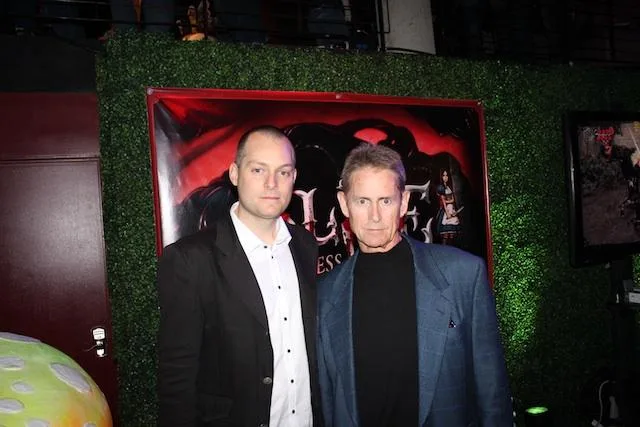
I absolutely had a collaborator. My collaborator on the Alice projects is R.J. Berg, and he's still in San Francisco with his wife. They're super lovely. Back when we were making the first Alice game, he adopted me essentially as a son. He was my father figure, something that was really tough for me. I didn't know how to have a father figure because I'd never had a father, right? But he's a brilliant writer and game producer. So when it came time to write the Alice story into a game, I wrote out the structure of it. I wrote out what the intention of it was, but he's the one who wrote the dialogue. Scene by scene, he wrote the dialogue for what was going on and transpired between the characters.
By the time we got to Madness Returns, which was 10 years later, it was a similar relationship. By that time I'd matured a little bit, so I was writing a bit more of the story. These days, R.J.'s fully retired, and I'm writing by myself. Over the course of the various projects that I've done in the last 10 years, it's just become more and more and more of me writing by myself. When you look at all the content that's flowing out of plushie Dreadfuls, for example, that's 99.9% my writing for all that content.
Frank Beddor
That's a lot. It’s fun to put stories to the plushies themselves.
American McGee
It’s a blast. There was a period where I had said to the world, “Okay, I'm going to retire.” I got quoted years ago, and this quote has stuck around and kind of haunted me. At some point in my 20s, I had the hubris to suggest that I'd like to be like Walt Disney, only a little bit darker. So this stupid quote haunted me. It followed me around on my Wikipedia page. There have been the trolls and the critics over the years. So when I announced that I was going to retire, I was like, “Okay, at least I put that to rest.” But then you wake up one day, and we have this IP now with over 300 characters, and as we map out Dreadfuland, it starts to look like this giant twisted Disney park, right? Then I think, “Maybe we still have a little bit of a chance to do something there.”
I don't know if it'll ever become a theme park, but I would say I think more than what was done with Alice. That whole game, that whole universe takes place within Alice’s head. It’s a fairly narrow beam of focus onto her and her experience. The plushie Dreadfuls, on the other hand, that is limitless, right? That is every possible human experience and emotion and issue, medical, mental health. All of it can be expressed as a little plush toy, and that world can contain all of that, right? So that opens up a lot of possibilities,
Frank Beddor
That's one of the reasons with The Looking Glass Wars, I started thinking about what the neighboring lands are, like Boarderlands, and what else can be out there. You can keep extending it and distinguishing it from the Lewis Carroll Alice. Disney ran into that problem when they did the Tim Burton movie. The first one did great business because Tim Burton is amazing and Johnny Depp was just perfectly cast, but then the second film wasn't so successful; even so, they could continue, but there's no source material, and there's just not a lot to build off.
American McGee
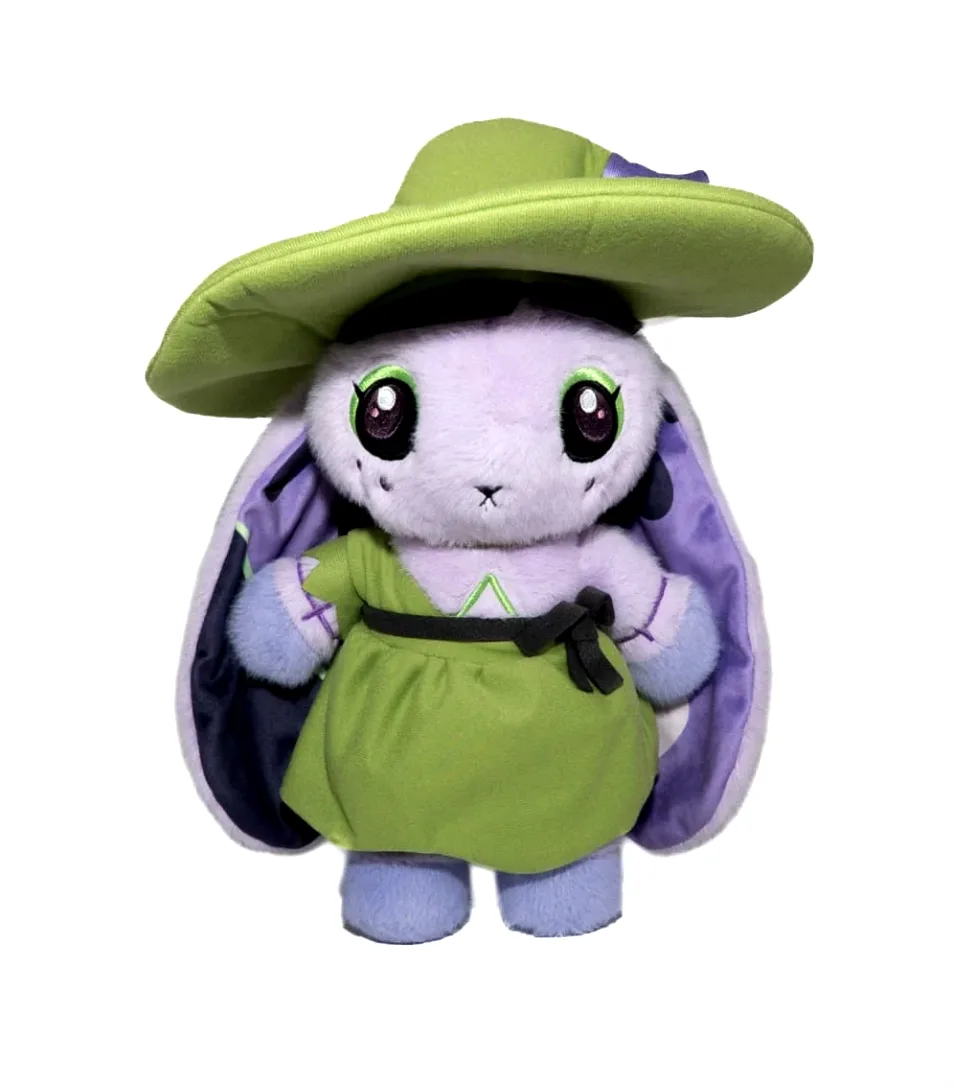
We’ve dragged the fairy tale characters into Dreadfuland. Now we've got this notion of this Wonderland, but it's Dreadfuland. There's Red Riding Hood, there's the Wizard of Oz, there's Alice. Plus, there's this whole spectrum of other experiences, all contained within that whole world. Then I love this notion of broken-up floating islands, a spacescape type of thing. All of these things live on their own floating island. There's the floating island of Wonderland over there, next to the Island of Emotions.
We still have to consider the rules in this world. But one of the things I like about it is because everybody's made out of plush toys; all of our rules revolve around buttons and stitching and thread and materials. The kind of rules and mechanics that flow naturally out of the creation of plush toys. That creates really good constraints around the whole world. I'm a big fan of constraints when it comes to stories. If you just build a giant magical land with a lot of magic going on in it.
Frank Beddor
There are no consequences.
American McGee
That's exactly right.
Frank Beddor
What were the art influences? I was so taken with the art. Was there any traditional Alice, whether it was Ralph Steadman, or Salvador Dali did some art of Alice? Was there any of that, or was it all more the goth contemporary? Do you have concept artists that worked on the game?
American McGee
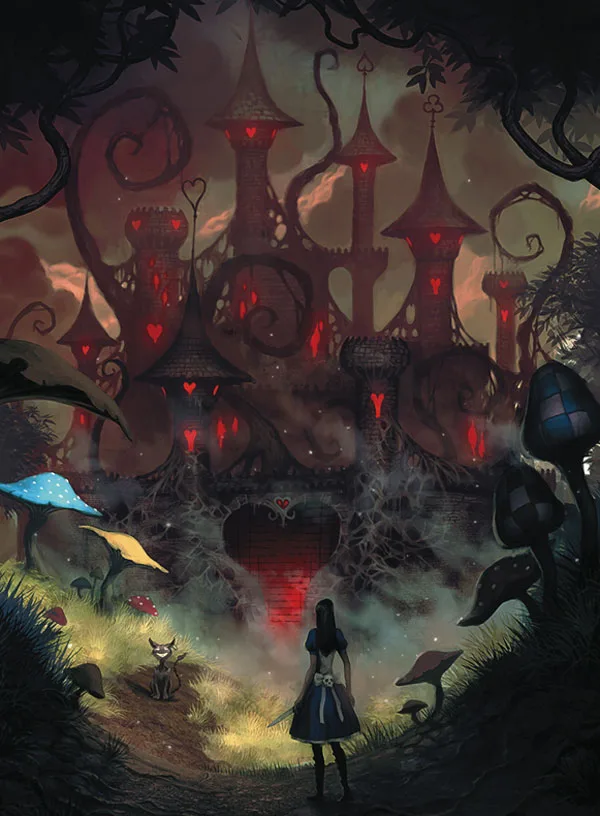
Both of the Alice games, American McGee's Alice and Alice: Madness Returns, started with two really critical things. One was words on paper - my description, the concept - and the other one was concept art. Throughout my whole career, I'm like one leg in the two-legged race of creativity where I'm writing stuff out, but then it's the artists on the other side of that. Concept artists have been incredibly important to me and to the projects that I've done.
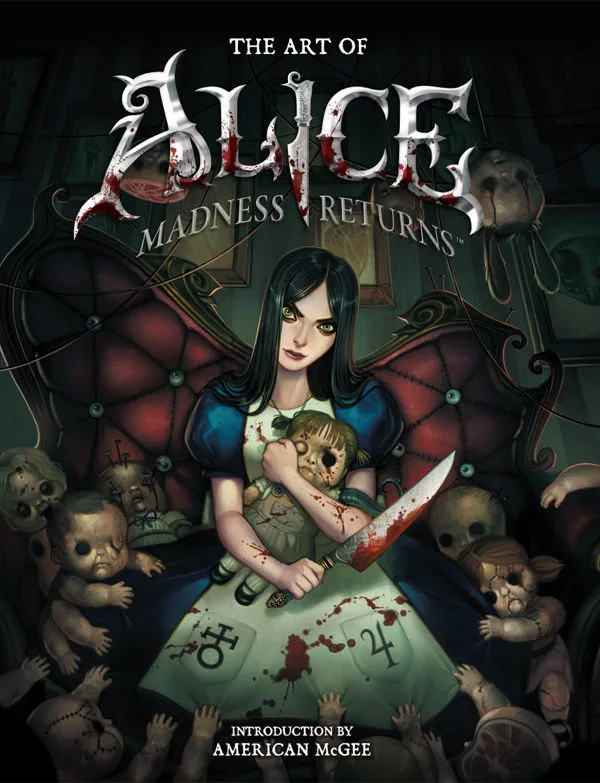
There’s an Art of Alice: Madness Returns book out there, and it's become a really big popular thing. Like if you go to the art colleges here in China, you'll find that every art college has multiple copies of this book sitting around because it's a huge 200-something page book full of all of the inspiration and process and output from the team that did Madness Returns. One of my hard and fast and constant rules around the Alice projects has always been never, ever, never, never look at the Disney stuff. Never look at anything that is contained under copyright. Never take, intentionally or accidentally, anything that comes from previous works outside of the original Carroll novels. That's been important, not only legally, but I think also artistically, that we create a separate universe that is very much our own. But that being said, no artist operates in a vacuum.
For Madness Returns, they looked at artists like Mark Ryden, a modern American contemporary surrealist painter. They went back to Hieronymus Bosch. These scenes of hell and the Apocalypse and stuff like that. If you think about that, Madness Returns very much is like if Mark Ryden had a baby with Bosch. There were a bunch of other influences as well. The Polish artist Zdzisław Beksiński was a big influence. Of course, Dalí, any of the surrealists.
One of the things they really struggled with was surrealism. If I said to you, “Okay, make a chair, but make it surreal.” They would just stick eyeballs on it. Like, it's a door, but it has eyeballs. We had to really train them on surrealism, and that was a whole process in and of itself. Horror, they didn't have a problem with, but to do that mix of cute, surreal horror, that was definitely a whole training process.
Frank Beddor
How many iterations did you work on for Alice and the Cat?
American McGee
All the way back to the very beginning, to the first Alice game, which we were in San Francisco for, there was a guy, Terry Smith. He's got a company in California called Terry Smith Creations, and he was into all kinds of concept art for film, for albums, logo creation, all kinds of stuff. He had within his orbit a bunch of artists- physical, traditional, concept artists, you name it, and he brought on board a guy called Norm, and Norm brought on board a bunch of people. I think he might have initially had 20-30 different concept artists trying to sketch things to match where I wanted to go.
There were stacks of art coming in, and it was all wrong. Some of it was bubble gum anime pop. Some of it was trying too hard to be horror. It was all over the place. Then these sketches started coming in from Norm, and Norm nailed it. The first time I saw his Mad Hatter, I'm like, “That's it!” I saw his Alice. I'm like, “That's it!” It's fantastic when you find artists, and it feels like they're reading your mind. That's what Norm did for the character creation. I'm blessed these days. We have a couple of artists on the team with Plushie Dreadfuls who are doing the exact same thing. I put words to paper. They read it, and they go, and it's like magic.
Frank Beddor
I love that moment so much. It's like Christmas. It's been 25 years since I first hired Doug Chiang because I couldn't figure out how the card soldiers would work. I didn't know how they would fold up. I told Doug, “They really have to be a deck of cards. They have to unfold and be able to go into battle.” So Doug sent me a sketch, and I went, “Oh, that's amazing.”
American McGee
I can see on the wall behind you, there's a consistency in the art that is obvious. You've got the vision and the words for what the world is supposed to be, and then you're finding the people to help you bring that to life. It's a lot of fun.
You were talking about just living in a place where you feel happy with the stuff you're creating. Every time I get art, it's like Christmas. I see there's a bit of email that's come in, and it's got some image attached to click. “Ah, fantastic!” I can't help but share it. One of the things that used to frustrate me working at EA is we'd have all this amazing content, and then the marketing guys were like, “Well, you can't share that yet. We have to put that in a calendar, and we'll tell you when you can share it.” One of the best things about being an independent creator is like, “Fuck it, I'm sharing this right now. I'm going to show the world this right now.”
Frank Beddor
Somebody sent me a message the other day. They said, “Oh, we're so happy to hear stuff is still going on. Your book had such an impact on me. I named my daughter Alyss.”
American McGee
Wow!
Frank Beddor
I don't know how to articulate how bizarre it is for someone to comment like that. You had an idea in your brain that came out, and then it affects people literally to the point where they're willing to name their children after that idea, or dress up as your character at a Comic Con. It's a profound kind of responsibility in a way.
American McGee
I think about this a lot. I think we all are affecting each other all the time, whether it's through global-level media creation, which is what you and I are doing, or just in our day-to-day interactions with one another, right? I'm very cognizant of that. Our actions have power; our words have power. Obviously, the things we create have power, but we're constantly affecting each other all the time. I think a lot of times we forget how much we're affecting other people with everything that we do. We don't live in a vacuum, but I think these days a lot of people go online and don't go out in the world. They just don't understand how much they live in the butterfly system. The ripples that you create: a positive interaction here leads to me later on in the day being a little more positive in some interaction with my kids, or vice versa, right? Or some crappy person online calling me names, which results in me being grumpy later on in the day to my dog or whatever, right?
Frank Beddor
I agree. Empathy and kindness, day-to-day, you don't feel it. But the thing I’m getting at is the energy transference that can happen off the page is so extraordinary. That's the part that surprises me. The fact that you can transfer something so positive it affects people- I guess for me, I just didn't expect it would work.
American McGee
It's a bit of magic. I generally assume that kind of magic mainly happens when the person who's created that thing does it from a genuine place, a place of real experience and real meaning. This is one of the reasons why so many people are put off when they look at, say, AI-created content. It's because they rightly say, “It's lacking in that human element.” I don't want to get into this whole conversation. Not to say I can't look at something that was created by AI and be like, “Wow, that is technically amazing! That's just fantastic that it can even do that, right?” But the lack of the connection that I can form with the creator, that's the problem. And I think that for your fans, for my fans, they know a little bit about us. I can feel that I know something about you. Just having this conversation with you, or if I saw you on a live stream, that's enough for me to say I can resonate with this person, and therefore the words that they're writing can have that much more meaning for me.
Frank Beddor
Being authentic and having the art come out of personal experience is the thing that everybody, every English teacher ever said. It's not that you have to write something that's personal, but you have to share something. Just by writing something, you're sharing a piece of yourself.
American McGee
It's funny because the LLMs (Large Language Models) are prediction machines for what word should come after whatever word, and that's based on having absorbed all the writing that humans have ever done, and then saying, “If this word comes, then this next word would be logical to put here.”
It's a weighting based on the mass reading of all the things that have been written. But when we write, we're basically doing a similar thing, except our weighting is a function of our own personal experience. So what word comes next for us is determined not just by the whole of the collection and the statistics that come out of that, but out of our own personal internal collection. That's why when somebody reads our stuff, they go through the decisions made by the author to use words in this particular sequence, I get an outline of the author, the author's brain, and the author's experience, and that's what makes it authentic. That's the fingerprint, the signature that's hiding on the inside of it.
Frank Beddor
That's well said. That is exactly right. People can tell.
American McGee
That's why I think we find things that have been written by AI to be so uncanny because it's difficult for us to find that fingerprint in there. You can appreciate, on a technical level, that it's writing stuff or it's creating art, but when we lack the link via that fingerprint to the artist or the intention, it becomes a little bit difficult for us. By the way, I think over time it's going to be beaten out of people, right? The technology will just become so pervasive that people forget how to find the fingerprint in the writing.
Frank Beddor
I do think that's probably likely.
I'm curious because Alice in Wonderland is so deeply seated in culture, but there weirdly have not been that many Alice games. Your game dominates, but there are just pieces of Alice in different games. Why do you think that is?
American McGee
I think because it's a niche subject. It kind of makes sense that you might have a bunch of World War II games because World War II, as a broader topic, can have lots of different stories told within it. Different types of tank games or submarine games, or you can have all different kinds of subgenres to the general topic of World War II, right?
But for the games world, where not that many games get that kind of investment in the first place, were you to sit there as a business executive and be like, “We've got 100 proposals for new games coming down the pipe. Here's one based on Alice in Wonderland. There's already a dominant Alice in Wonderland game. Why would we go and try to do something to compete against that?” I just think they'll cast it aside because it's not original enough. It's already been done, and it's not one of those spaces like World War II, where it validates having multiple different takes on it, and those different takes can all be successful.
Frank Beddor
Sherlock Holmes, they've done it over and over, and Alice is one of the biggest; it's the second most quoted book in the world. So you would think that more people would do it. But to your point, I think you answered it because your Alice just defined Alice for video games, and then to the earlier point about Tim Burton's movie, there are not a lot of places to go if the story is so contained.
American McGee
The linear rights, book, TV, film, those got sold off to Hollywood years ago. So over the past 20 years, there have been various attempts by the Hollywood machine to turn my Alice into a film or a TV series. Now, the very first attempt that was ever made was John August as the writer and Wes Craven as the director, and the two of them actually presented something that looked really damn cool. But then Craven got cancer, which derailed a lot of the projects that he was working on at that time, and August moved on, and yada yada.
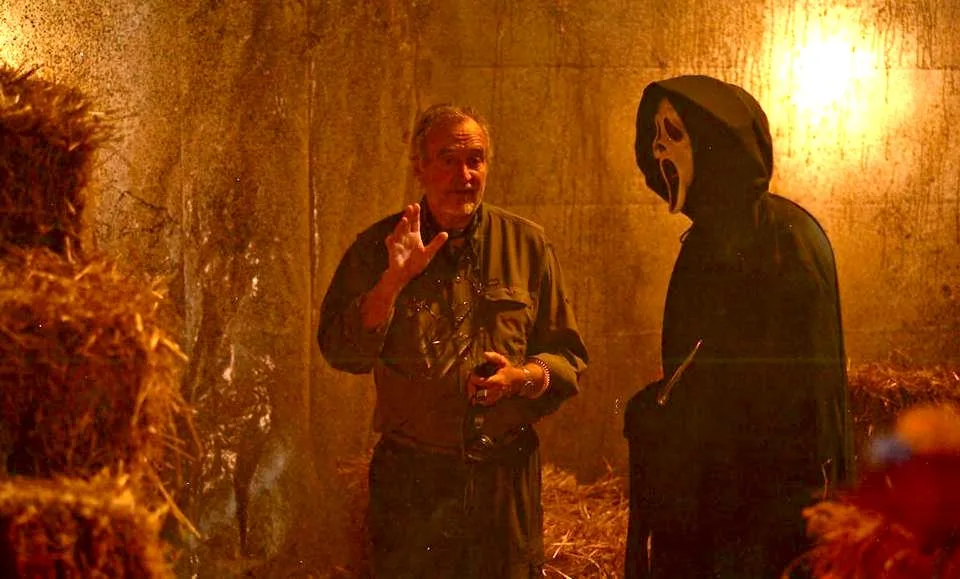
Anyway, this is the thing I want to say. After that, what I saw of every one of the film and TV adaptations that tried to get made was that they constantly tried to bring it back to the Sherlock Holmes world, and I mean that by way of they wanted to set it in the real world. Why do they want to do that? Well, because it saves a lot of money for them, right? So that, and then they also wanted to insert stuff like, “Oh, she's got a boyfriend. There's a love interest... blah blah blah.”
Why are there so many Sherlock Holmes adaptations? Because as a TV series, as a film, that's actually pretty low budget. That's pretty easy. Those are just standard set pieces. That's just the streets of London, and that allows the writers to just write and the film studios to just book a street. Wonderland movies, on the other hand, if you set them in Wonderland, are incredibly expensive. That's talking cats and mushroom forests. I think that has been the other thing that's been a disadvantage, at least in the film and TV world. It’s easy to do Sherlock Holmes adaptations budget-wise and character-wise, but I think Alice in Wonderland adaptations are a bit more complicated.
Frank Beddor
There's a budget consideration, but if you were to have Wes Craven at his height and you had John August, who's an amazing writer, at the beginning of his career, you really had a great shot.
American McGee
Frank, my life would have been totally different. If they had nailed that, I would have probably gone off and become a part of Hollywood. That would have properly cemented or glued me or trapped me, into the Hollywood system, right? So in some way, I have to be glad that it didn't, because I'm pretty happy where I am. But that was the moment where if an Alice movie was going to get made, it should have been made under that structure. And it didn't happen.
Frank Beddor
I remember the press release for that, and I went, “Wow, this is definitely happening. And it’s definitely going to come out before anybody's interested in my novel.” There had been some interest over at Universal, but it didn't have those elements. Then when there was more interest in The Looking Glass Wars, Tim Burton came out with his Alice.
American McGee
Alice in Wonderland is a weird property because I think that there can only be so many. It's like Highlander, right? There can only be so many variations on it that people want to latch onto. You and I have created variations that can live comfortably in that ecosystem. They don't fight with each other. There's the Burton Disney version, but I think it's just a question of how many more variations does the world need.
There will be another person who comes along after us. Maybe five years from now, 10 years from now, maybe they're working on it right now. Someone else will come along, and they'll catch the zeitgeist using Alice in Wonderland as the framework, and you and I will be like, “Wow!”
Frank Beddor
What in pop culture is your favorite Alice reference? Do you have one?
American McGee
Not really. When you say a reference, do you mean like a quote or something like that?
Frank Beddor
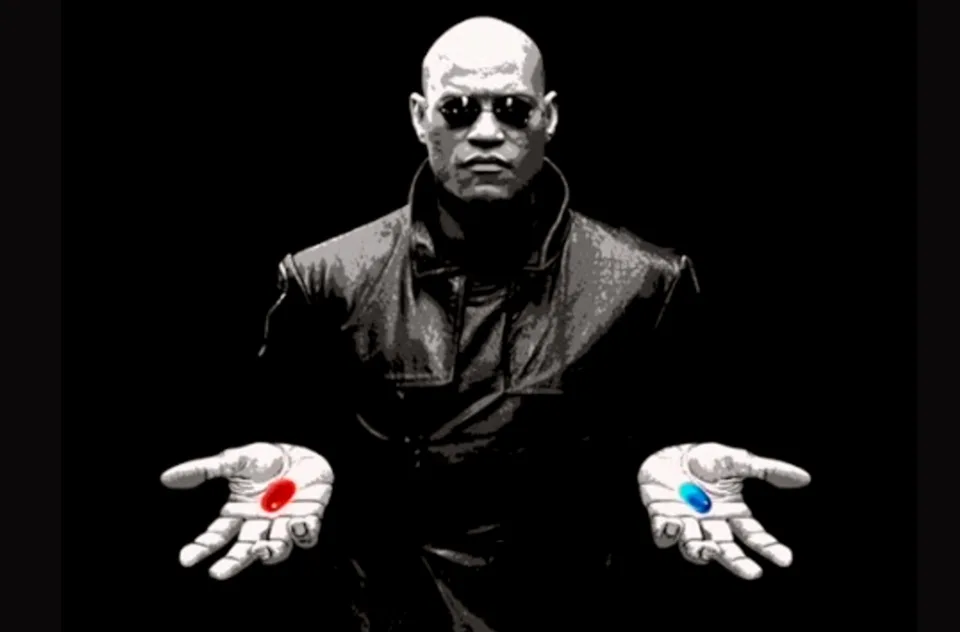
No, no. For instance, I was a big fan of Jefferson Airplane’s “White Rabbit,” and then when The Matrix came out and it used all of that imagery, I thought that was a genius way to utilize the Alice tropes.
American McGee
I've got hair standing up because when I started work on my Alice game, that was right when The Matrix came out. I went to see The Matrix day one, and I had no idea what I was getting into. I went back and saw it again the same day. We had already started working on Alice, and so when I saw the Alice stuff woven into that, I was like, “Oh my god, mind blown! This is absolutely amazing.” So yeah, if you're asking about pop culture utilization of Alice, The Matrix would probably be pretty high on the list. I like some of the quotes. I like “We're all mad here.” I like “Imagine impossible things.” I've had that quote printed and hung on walls of various offices many times over the years.
But I have to admit something that may be a bit of a surprise to people. I'm not like the world's biggest Alice in Wonderland fan. I viewed it at the time when I was creating those projects as the framework, as the skeleton for the story I wanted to tell. Going back to what I said about not polluting our thinking by watching the Disney versions, for example, I've actually had to make a point not to engage with a lot of the other variations on it because I wanted to come at it from as pure a place as possible where I wasn't overtly influenced by anything that I'd seen or read or heard.
Frank Beddor
I don't know if you've ever seen or read anything about my feelings. I told everybody that Looking Glass Wars was my revenge for being forced to read Alice in Wonderland by my mother and my grandmother. I wanted Treasure Island. I wanted an exciting story. I was never a fan when I was young. It wasn't until after college that I came to really appreciate it. But I just used it, similarly, as a jumping-off point, and it's been an amazing journey, and it seems like you've had a parallel existence.
One of the reasons I reached out was that you had written something about having independence as a creator and keeping your independence, and I think that's a really great message for people that are trying to get into the business. Trying to be able to find a way to create revenue so you can be in control of the things you create. It's very hard because the gatekeepers are there, and you've done it very successfully. You had your issues with EA, but now you've transferred over to the other side where you're in control, and I think this is really a beautiful thing to be able to do in life. I hope other creators can find ways to do what we've been able to do. So, thank you. Thanks for taking the time and sharing all your thoughts.
American McGee
I really love talking to you. I find that communicating with you is a positive influence on me, and it's rare that I meet people like that. I admire what you've done, and I admire you, and it always makes me come away feeling creatively recharged. So I appreciate that.
This interview was edited for length and clarity.
For the latest updates & news about All Things Alice, please read our blog and subscribe to our podcast!